
ALL YOU NEED TO KNOW: WHALE WATCHING IN PANAMA
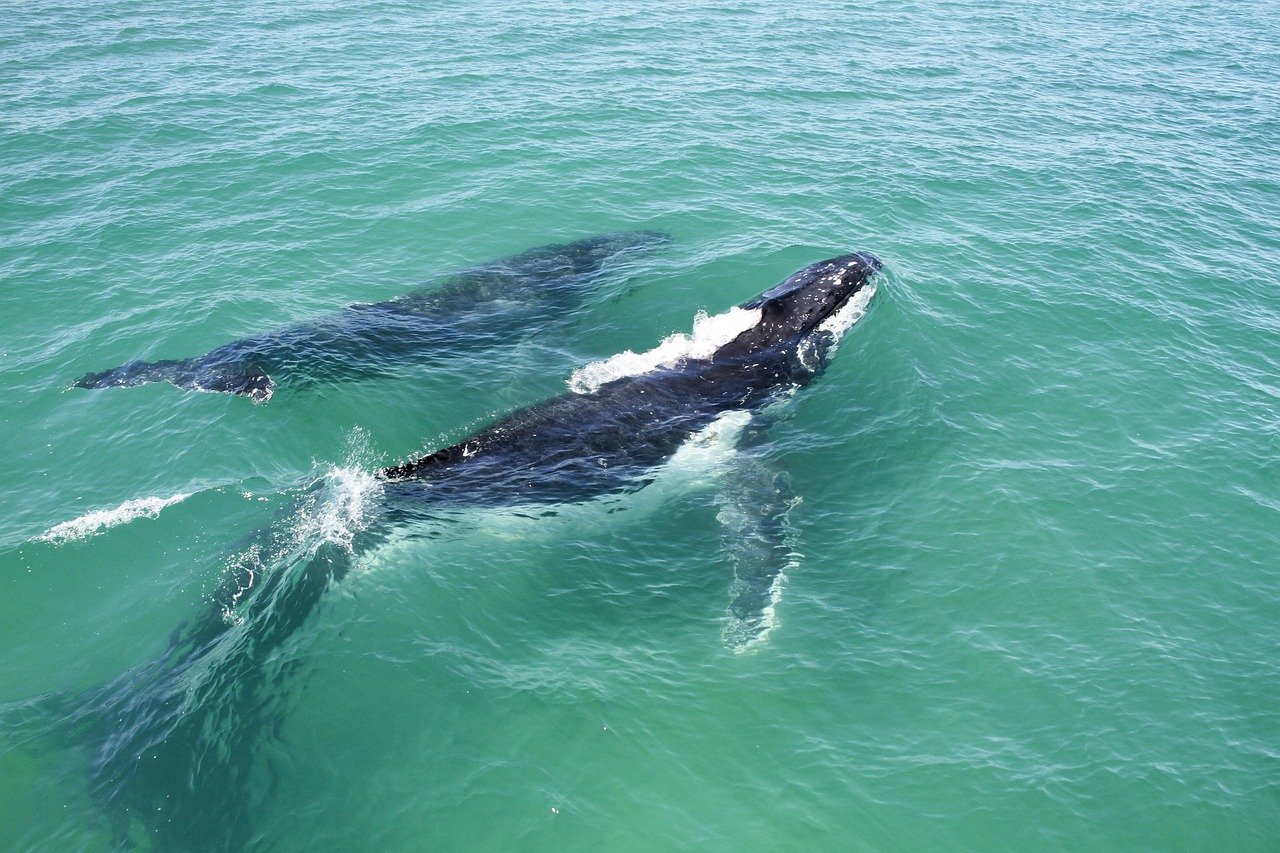
Every year locals and visitors alike take to the waters off the Pacific coast of Panama in search of the magnificent humpback whale. Even though it tends to fly under the travel radar, Panama is one of the most reliable, least crowded whale watching destinations in the world. Panama’s western shores offer calm water, warm temperatures, and an extensive viewing season between the sheltered bays of the Gulf of Chiriquí, the Pearl Islands–Islas Perlas–and the beaches of the Azuero Peninsula. With these gentle giants migrating from both the Southern and the Northern hemispheres, it’s confirmation of the health of Panama’s waters and proof that conservation efforts are working. So whether you’re just passing through or you make your home here, this is an super-cool tick on the bucket list. This is all you need to know: whale watching in Panama.
WHY PANAMA?
Not every whale species is migratory, but, humpbacks undertake one of the longest migrations of any mammal, traveling up to 25,000 km round trip each year between polar feeding grounds and tropical breeding waters. The humpbacks that choose Panama begin in the southern hemisphere near Antarctica and Chile where they have just spent the summer filling up on plentiful krill. For much of this journey, they will fast, living off fat reserves built up during the feeding season. They’ll winter in the Panamanian Pacific from July to October.
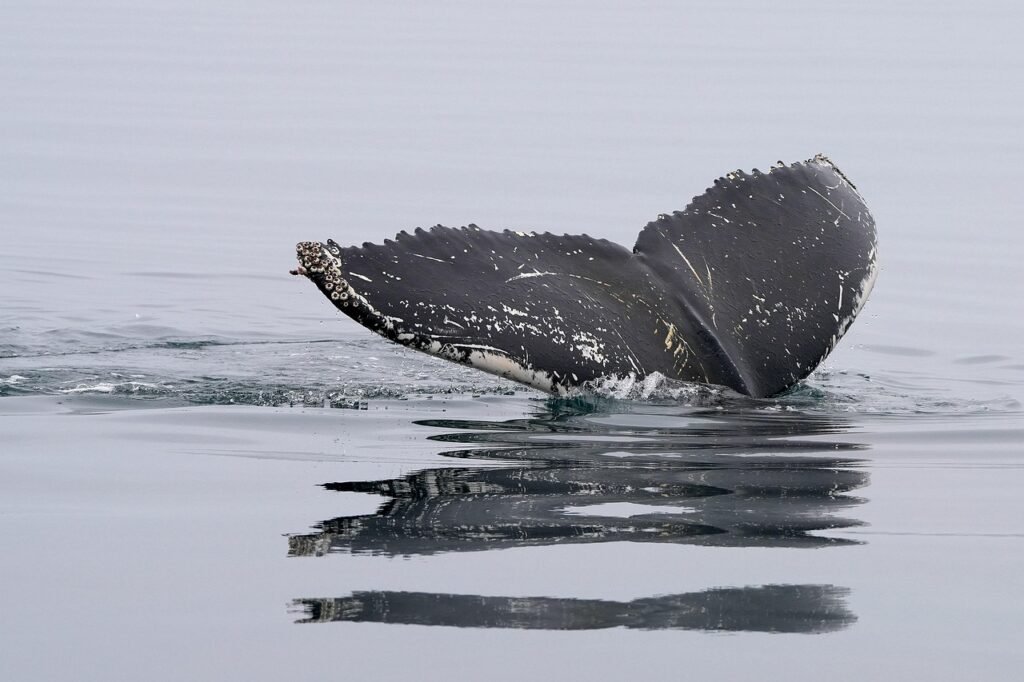
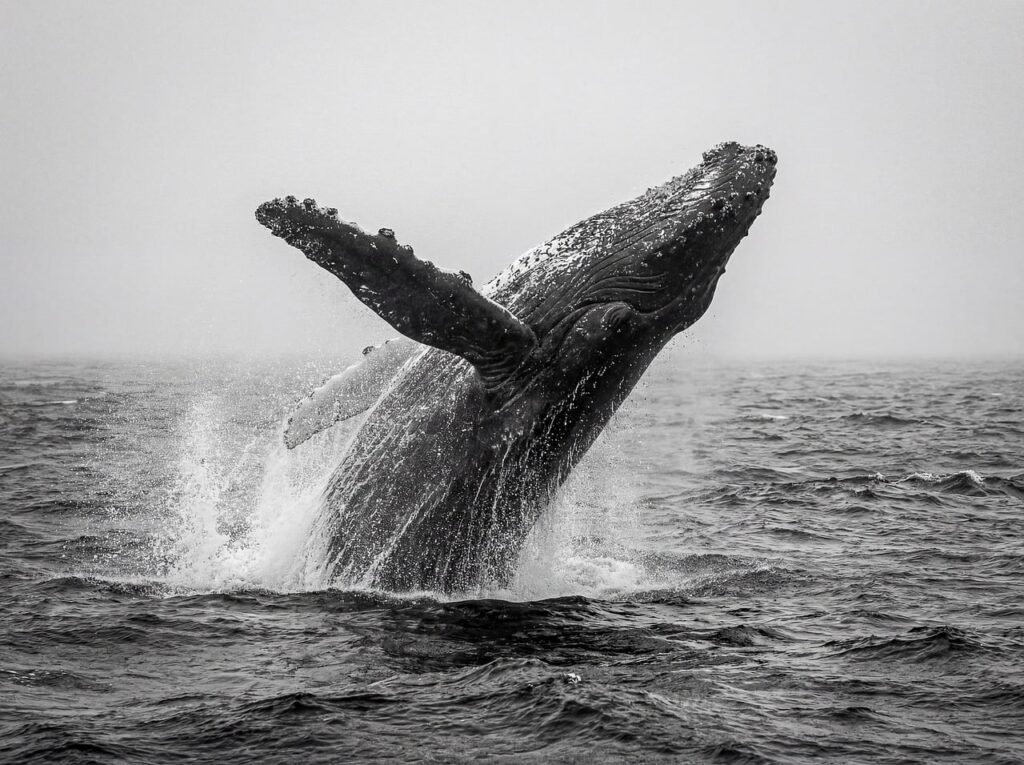
From August to September, the largest numbers arrive to mate and calve. If you are lucky, you may witness full body leaps out of the water known as breaching, tail slapping, pectoral fin slapping, and singing, which males use during breeding season. Mother-and-calf pairs are also common sightings, often traveling close together near the surface. Newborn humpbacks have very little blubber and struggle in cold water. Panama’s warm, calm, predator-light bays give mothers a safe place to nurse and let calves build strength before returning to colder feeding grounds.
WHEN TO GO
Peak sightings tend to occur during these months. While peak months mean more whales and better odds, it also means more boats and the highest prices averaging around $150 from Panama City. Shoulder season is good for fewer crowds and still-solid chances of a sighting, just with a bit more patience required. If your schedule is flexible, aiming for September may be the sweet spot.
Few places on Earth can claim what Panama can: it’s one of the only countries visited by humpback whales from both the Northern and Southern Hemispheres. Two entirely separate populations, thousands of miles apart in origin, choose the same warm Pacific waters to breed, calve, and raise their young — just at different times of year. While you may spot whales off the coast for much of the year, many tours are generally only offered from July to October when the southern whales arrive.
WHERE TO SEE THEM
With Panama’s extensive coastline, there are many different locations to see humpbacks during “whale season”. These are some of the best:
- Gulf of Chiriquí | Coiba National Park A UNESCO World Heritage site and Panama’s most remote whale watching destination. Fewer boats, more pristine reef and island scenery, and a genuine sense of getting off the beaten path — though it requires more travel time to reach.
- Las Perlas | Pearl Islands The most accessible option, with day trips departing directly from Panama City or the Amador Causeway. A good choice if you want whale watching without adding extra travel days to your itinerary.
- Isla Iguana & Isla Cañas | Azuero Peninsula Best for the Southern Hemisphere season, with a window from late June through October and September typically the strongest month. This region is also known for its beaches and surf culture, making it easy to combine with other activities.
BOOK A RESPONSIBLE TOUR
Panama issued a resolution in 2022, establishing guidelines for whalewatching companies that are strictly enforced. The goal is keeping whales safe and allowing them feed and migrate without disruptions from boats. Choose licensed operators who follow approach-distance regulations and avoid crowding or chasing whales. Ethical operators will slow down, cut engines near whales, and let the animals set the distance — a good sign you’re supporting practices that protect the whales long-term.
- Boats should keep a distance of at least 250 meters from whales and 100 meters from dolphins.
- A maximum of two boats can stay with a group of cetaceans–whales, dolphins and porpoises–at any given time.
- Vessels must maintain a slow speed of 4 knots or 7km/h inside observation zones.
- When whales or dolphins are around, engines should be put in neutral. Avoid chasing, quick turns and loud noise.
WHAT TO EXPECT BEYOND THE HUMPBACKS: OTHER MARINE LIFE TO SPOT
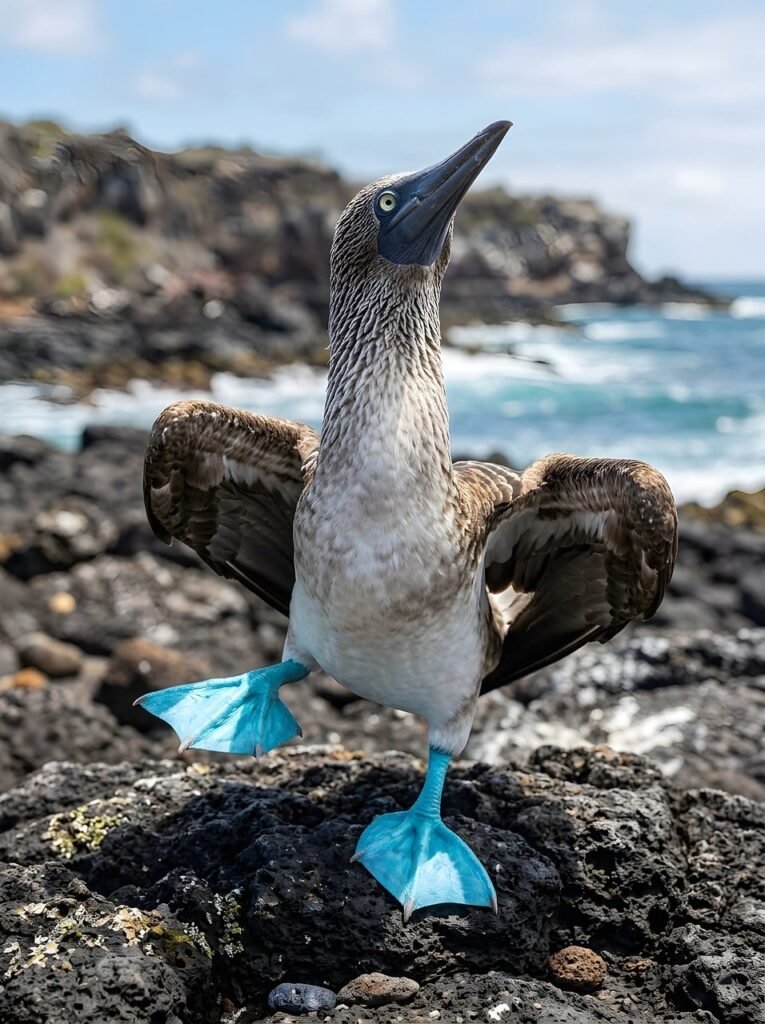
Whale watching trips in Panama rarely deliver just whales. In addition to these amazing giants, tour-goers can also spot whale sharks, dolphins, sea turtles, and a myriad of marine birds. I’ve been lucky enough to see pantropical spotted dolphins, a whale shark and blue footed boobies among other really interesting marine birds.
- Whale sharks — Despite the name, these gentle filter feeders are sharks, not whales, and are one of the few large marine species safe to snorkel alongside. Sightings are seasonal and not guaranteed, but tour operators often know current hotspots.
- Dolphins — Bottlenose and pantropical spotted dolphins frequently show up alongside whale watching tours, sometimes riding a boat’s bow wake.
- Sea turtles — Several species nest along Panama’s coastlines, and turtle-arrival season can overlap with whale season depending on timing — worth asking about if you want to combine the two.
- Rays and seabirds — Manta and mobula rays are occasionally spotted leaping from the water, and the islands themselves are active seabird habitat.
PLAN YOUR TRIP
Most whale watching trips run between 3–8 hours by boat depending on the itinerary. They typically depart early morning when water tends to be calmer and sightings are more likely. Boats range from small pangas for intimate group tours to larger vessels for bigger groups, depending on the operator and region. Check for local promotions on sites like ofertasimple.com for seasonal deals.
- If you’re prone to seasickness, take precautions before boarding. Open water can get choppy even on calm days.
- Morning departures generally offer calmer seas and more active whale behavior.
- Bring reef-safe sunscreen, a hat, water, and a camera with a fast shutter for breaching shots.
Disclaimer: Some of the links in my content may be affiliate links. That means that if you purchase a product or service that I recommend, I get a percentage of the sale. These affiliates don’t cost you anything extra and help me keep the site going. I will never endorse anything fake or not worth considering. Thank you for your continued support.
ADD WHALEWATCHING IN PANAMA TO YOUR BUCKET LIST
Panama is a truly special spot on the planet with its incomparable biodiversity. With humpback whales, whale sharks, dolphins, sea turtles, and some of the least-visited marine parks in the region, it’s easy to see why Panama is quietly becoming one of the best whale watching destinations on the planet. You can’t beat the beautiful views, time spent with friends and the chance to witness these gentle giants on their epic journey. Whether you are looking to book your next weekend escape or dreaming of your next marine adventure, Panama’s waters are ready to surprise you.
Check out my posts about Isla Otoque and Isla Coiba: two incredibly beautiful spots and havens for the humpback whale population in Panama.