
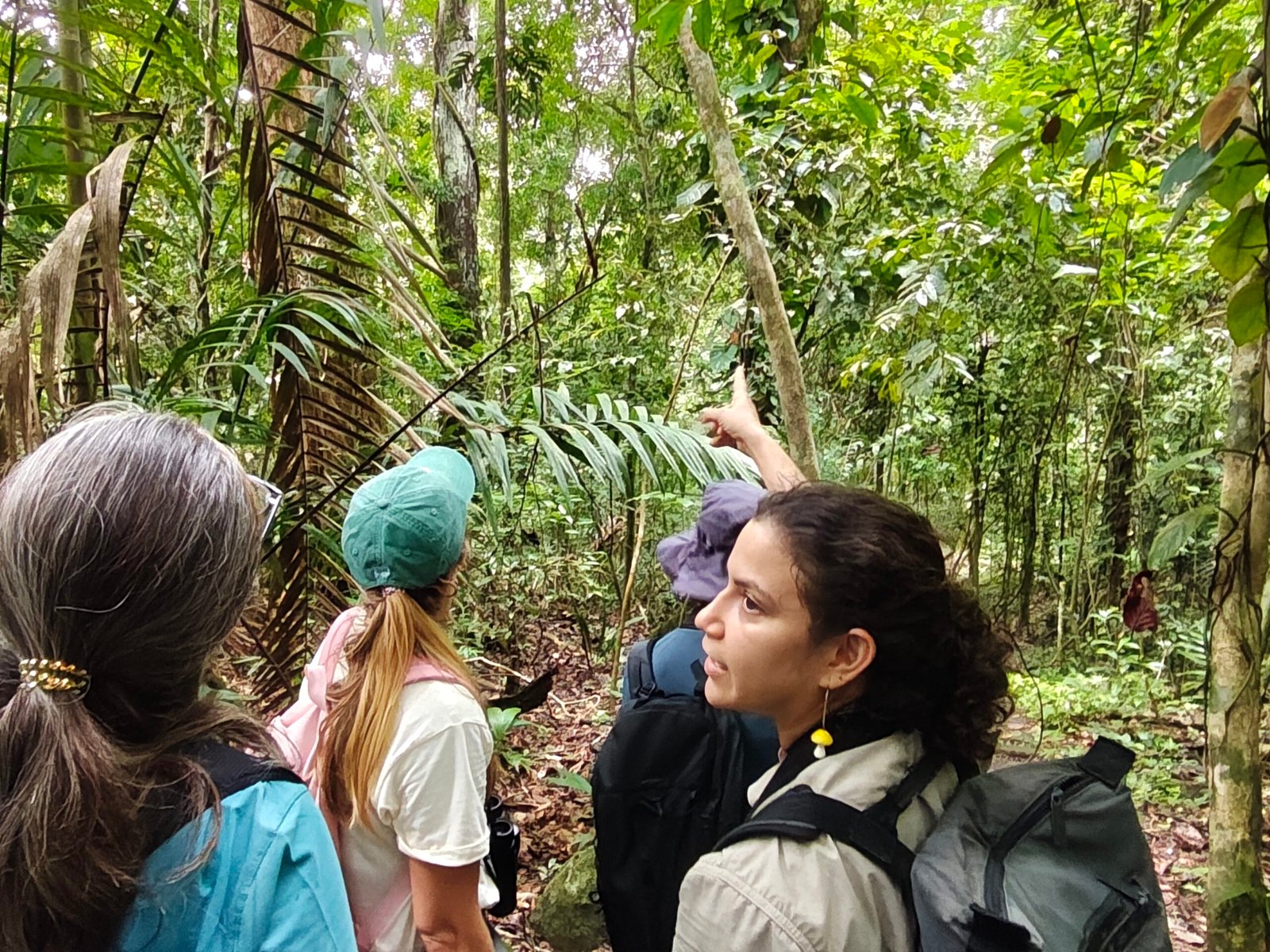
Imagine hiking through a dense, pristine tropical rainforest while massive container ships glide silently just beyond the tree line. That’s what it’s like visiting Smithsonian’s gem in Lake Gatun, Isla Barro Colorado Island. It’s one of the world’s most important biological research hubs, managed by the Smithsonian Tropical Research Institute (STRI).
If you’re looking to escape Panama City for an unforgettable day immersed in nature, science, and history, this is a must-do. Here’s everything you need to know about visiting Barro Colorado Island: its fascinating history, how to get there, what you’ll see, and current costs.
FROM MOUNTAINTOP TO ISLAND LABORATORY
Barro Colorado wasn’t always an island. Originally, it was a prominent hill overlooking the Chagres River valley. When the Panama Canal was constructed in the early 20th century, the creation of the artificial Gatun Lake flooded the surrounding basin. The waters rose, flooding about about twenty towns and turning the hill into an isolated island capped by a sprawling lowland tropical moist forest.
Recognizing its unique value as an undisturbed natural laboratory, the island was set aside as a biological reserve in 1923. Today, managed entirely by the Smithsonian, it has hosted decades of groundbreaking tropical research on animal behavior, plant biology, and climate change producing more than 13,000 academic articles over the years.
ALL THE LITTLE DETAILS
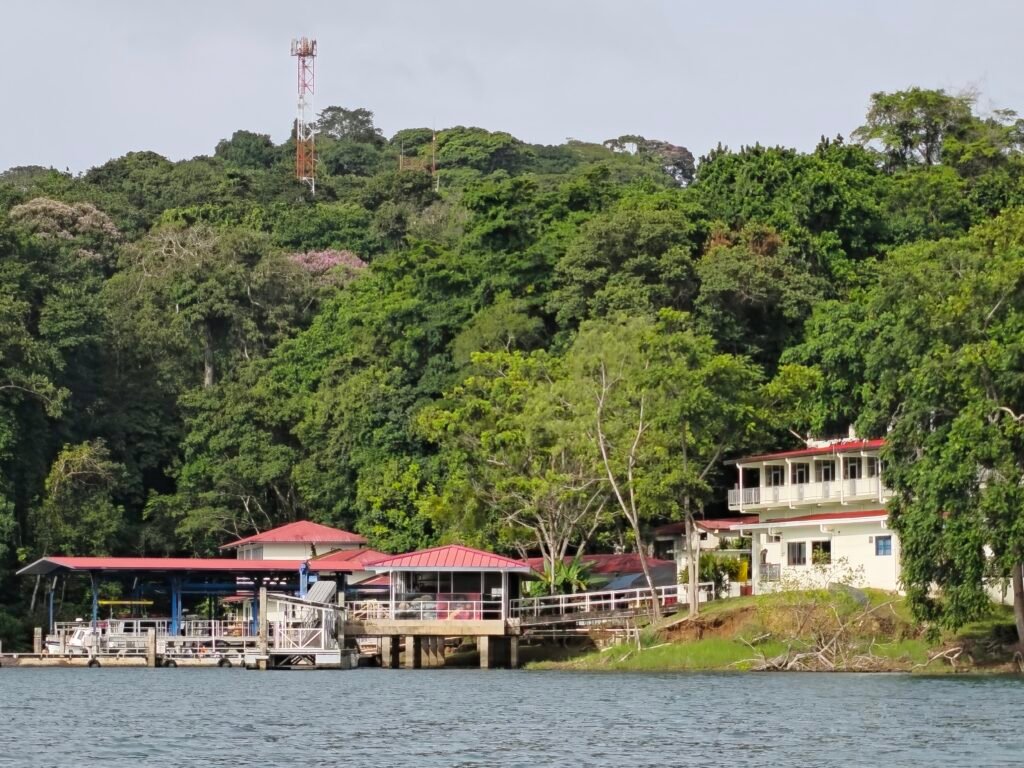
As we waited to make our 30 minute boat trip to the island, we marveled at enormous tankers and cargo ships drifting by. We started the journey on the shores of Lake Gatun, leaving at 8 a.m. to head to the island. The ride on the lake is always amazing, with a cool breeze and beautiful scenery on the canal.
On the island, our guides began with a quick chat about the history of the Smithsonian’s presence here in Panama and what we should prepare to see during our visit. We headed to the cafeteria for a quick snack followed by an informative presentation in the conference room complete with extraordinary pictures, shocking statistics and all the guidelines for our hiking adventure on the island.
WHAT YOU’LL SEE
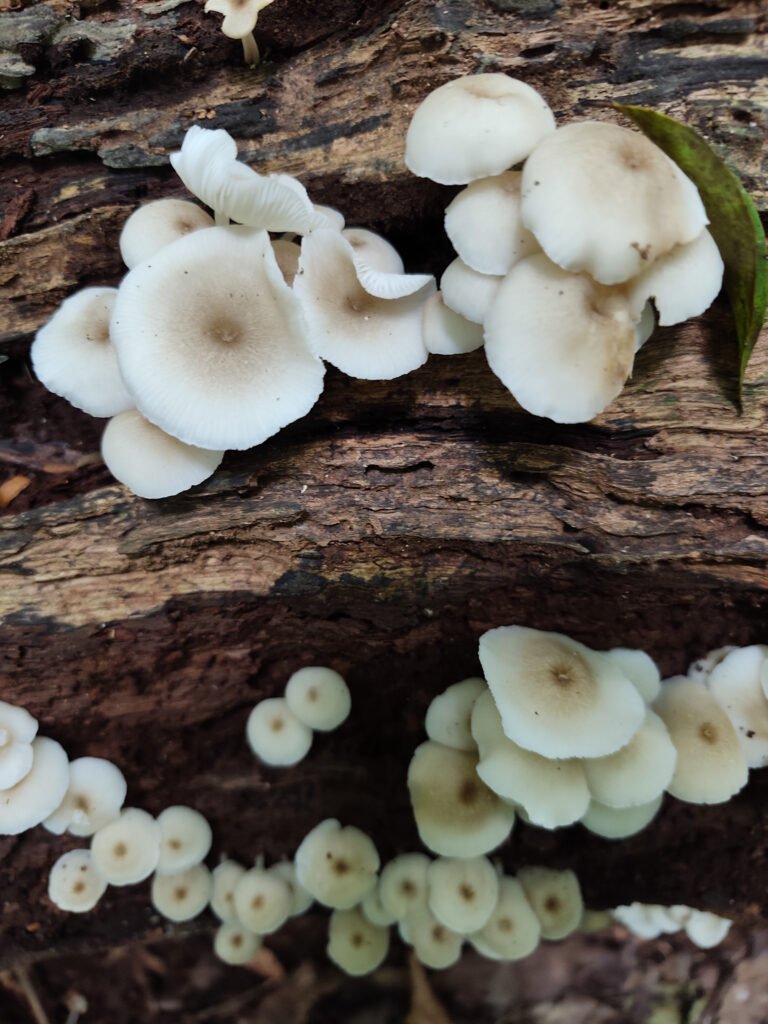
The biodiversity of the isthmus is astounding. Millions of years ago when Panama rose out of the sea floor, it formed the land bridge that allowed for the “Great American Interchange.” Species migrated through this crossroads of the Americas from north to south and vice versa. Isla Barro Colorado is home to a myriad of flora and fauna with 110 mammal, 335 bird, and 1474 plant species.
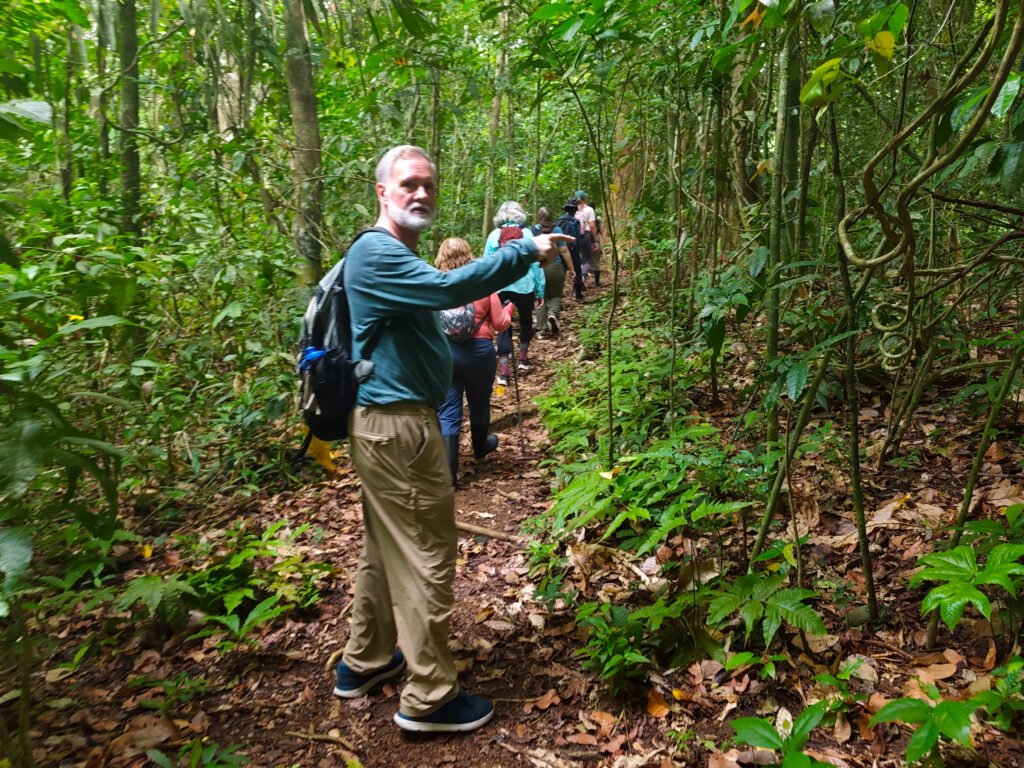
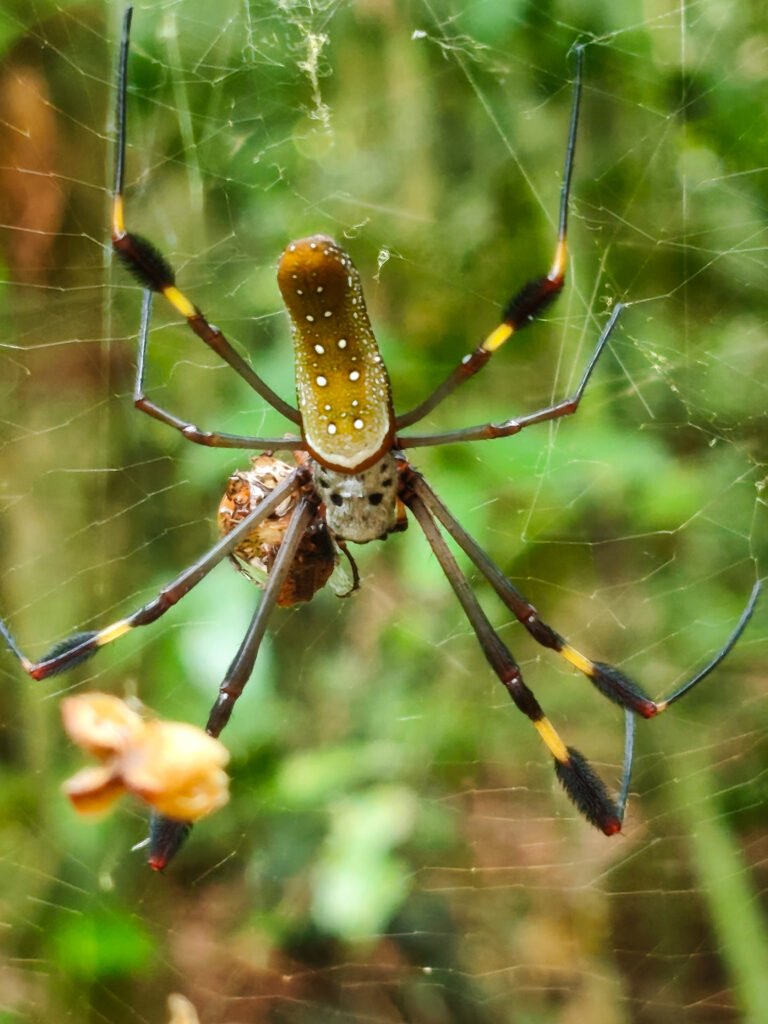
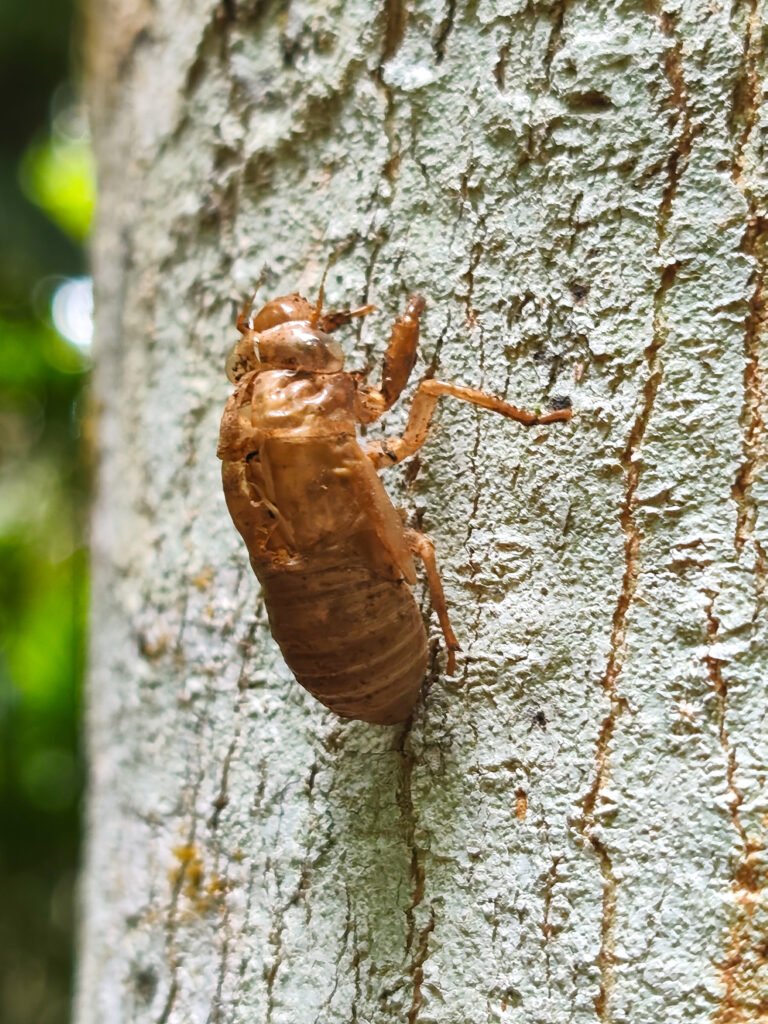
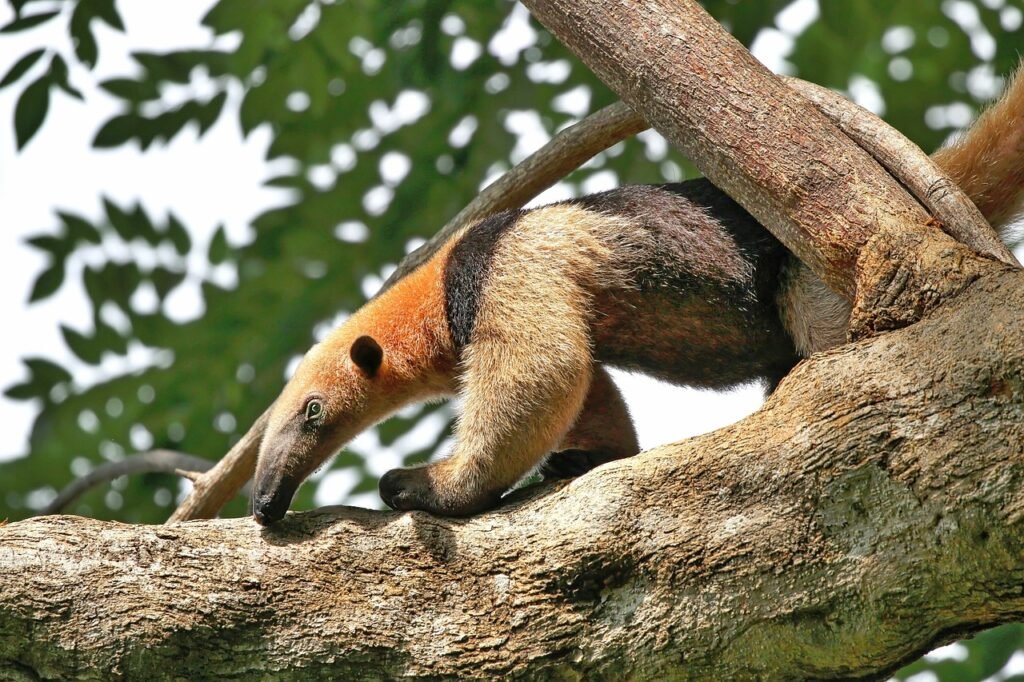
After grabbing some complimentary binoculars and rubber boots, we hit the ground running. From the get-go, our naturalist guide pointed out numerous species of insects from ants to spiders, all with their own unique behaviors. We spotted bats snoozing during daylight hours, hummingbirds feeding on brightly colored flowers and listened to haunting howler monkeys in the distance. The opportunities for spotting wildlife are really endless with an anteater being the highlight of the day. Along the way, we passed by field laboratories, monitoring towers, and research plots where scientists from around the globe study tropical ecosystems.
MAKING A RESERVATION
Isla Barro Colorado is located in the middle of Gatun Lake, right within the Panama Canal. Because it is a protected scientific reserve, you cannot visit independently. All visits must be booked in advance through the Smithsonian application process. I booked this trip for myself and some friends, submitting an online form with our preferred dates. The Smithsonian promptly gave me their availability around that time period. After choosing my date, I sent on the names and residency status of the guests to determine their fare.
COST
Living here, I was able to find my own transportation that took us from PTY to the STRI dock. Ubers typically range from $22-$35 each way depending on various factors: traffic and the size of the vehicle. The potential down side is probably getting an Uber back to the city. It could be a bit of a wait. There is onsite parking at the dock if you are able to drive.
STRI FEE SCHEDULE
- Foreign adult: $125
- Foreign student: $75
- Panamanian or resident: $55
- Panamanian retiree: $44
- Local student: $30
(Note: Independent bookings through the Smithsonian require advance approval. Children under a certain age—usually 8 years old—are restricted due to the physical nature of the trails.)
THE RULES
- Dress Code is Strict: Long pants and sturdy, closed-toe hiking shoes or boots are mandatory. Shorts and sandals will bar you from entering the trails.
- Pack Smart: Pack insect repellent, reusable water bottle, hat, sunscreen, snacks and a poncho for visits during the rainy season.
- Physical Fitness: The hikes cover uneven terrain with several uphill climbs in high tropical humidity. If you have doubts about your ability to navigate the trail, it´s best to air on the side of caution. For me, the trail was fine, just oppressively hot. There were a couple of hikers with us, that really struggled with the incline and heat.
Before making it back to the dock, my friends were saying how much they’d love to do this again. Personally, I loved the feeling of being a student again and learning from such highly knowledgeable staff that made even the tiniest creature truly fascinating. If you are a nature lover and you are looking for a truly memorable adventure, you must add the Smithsonian Tropical Research Institute at Isla Barro Colorado to your list of sights to see here in Panama.